Showing posts with label property management. Show all posts

18 February 2017

National retailer embarrassed selling illegal smoke alarms in Townsville


Townsville residents are being warned about buying out of date smoke alarms from local retail and hardware outlets.

A local property owner reported purchasing non-complaint products from a local retailer this month, despite the fact new tougher smoke alarm laws were introduced in Queensland from the 1st January 2017.

Queensland's Minister for Fire and Emergency Services, the Hon. Bill Byrnes, said; "although residents would have up to 10 years to install the new alarms, everyone should take action to update their alarm system as soon as possible."

TREN can confirm that residents have been buying redundant smoke alarms from one of
Australia's largest hardware retailers as late as the first week in February 2017, over a month after the new laws were passed but at least 6 months since businesses had been warned of the impending changes.


One of the homeowners who contacted TREN about this public safety story presented one of the three alarms she purchased, and it clearly displays on the back side of the device, an expiry date of "12 July 2016". (see image below) The proof of purchase was also presented.

The smoke alarm was purchased from the retailer in February 2017 with "Quell Ionisation Smoke Alarm", "Manufactured in China for Chubb and Security Pty Ltd", who is based in New South Wales, clearly displayed on the back of the device.


Non-compliant ionisation smoke alarm
Image: TREN
When TREN alerted the retailer to the bungle a very pleasant and well-informed employee said: "this alarm is out of stock and non-compliant." When the employee was asked, "What about the other alarms that have already been installed?" The employee said: "they must be returned with your receipt and we'll give you a refund".

Many residents that have purchased the old ionisation alarms for their own homes reported that they feel confused, or completely not informed about what to look for when purchasing fire safety devices. This comes as the trend of online shopping is growing at a fast pace where cheap illegal products can be purchased very easily. No wonder consumers are confused and concerned about their safety and legal obligations.


Image: Queensland Fire and Emergency Services
Even when the labels on the ionisation smoke alarm in the above image are compared to the QFES website recommendations, it is understandable how residents could justify their confusion. The labelling of the smoke alarms is unclear and ambiguous based on the QFES recommendations on their website.

The yellow triangle hazard system on the homeowners' non-compliant alarm, which is not recommended, does not even appear on the QFES guidelines. Instead, a yellow square label is shown. And, even though the five tick Australia Standards symbol and Activefire Certified certification icon are shown on the QFES guidelines to be safe, the non-compliant ionisation alarm displays them.

Residents that are concerned and may not understand the new smoke alarm laws are advised to contact a smoke alarm installation professional, licensed electrical contractor or consult the Queensland Fire and Emergency Services website for further information. You can also contact the manufacturer with questions. For example, Quell has number to call 1800 654 435.

But with residents finding even the QFES website guidelines confusing, residents are encouraged to call a professional QFES "firefighter" to conduct a "Safehome" visit to receive advice about the best locations to place fire alarms and suggest other fire safety initiatives around the home.

To request a Safehome visit call 13QGOV or visit 

https://www.qfes.qld.gov.au/community-safety/freeprograms/Pages/safehome.aspx'


15 December 2016

Townsville Smart City Deal Exposed as National Security Threat

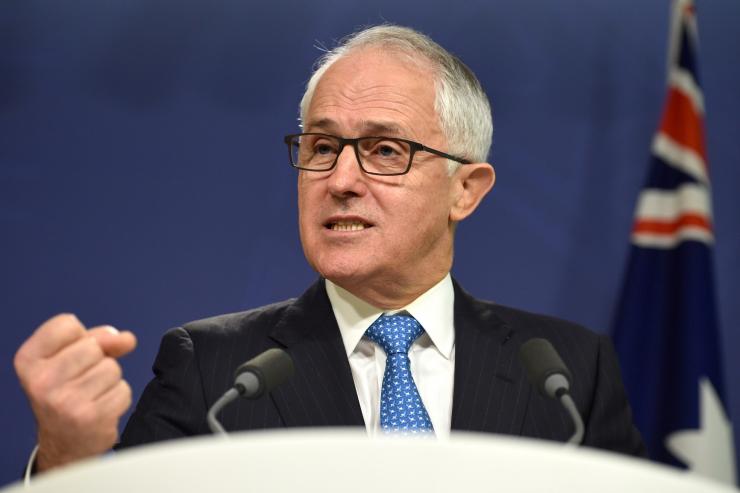
Mr Turnbull's entire economic policy and the reputation of the local Townsville Mayor and Queensland Premier, is based around the covert implementation of smart technologies as part of the Smart Cities Plan, Townsville City Deal.

The connection of which to the internet is a threat to Australia's national security, personal safety of its citizens and the country's sovereignty.


"Confirmed by an inside Council communication strategists, the Federal government's reason for not providing full public disclosure on the Smart Cities Plan is because it would lose public support."

Now while the ink is still drying on the Optus Telecommunications $20 million contract with the Townsville City Council, the Townsville Real Estate Blog's independent investigations reveal the real purpose of the Smart Cities Plan and catastrophic consequences to regional Cities.

Click Here - FREE REPORT - Ideas for Landscaping (Option to Buy)!

Under the cloak of an orchestrated media launch flaunting federal funding for big projects such as the North Queensland Stadium and Eastern Rail Link corridor, the Federal government has out-muscled Mayor Jenny Hill and the Hon. Premier Anastasia Palaszczuk.

Queensland's pioneering female politicians could become the sacrificial lamb of the Turnbull plan, laying on the line their integrity over the lust for political fame and fortune. As the employment prospects of the City continue to dwindle under the anticipated introduction of 'artificial intelligence' machines, while manifesting security breaches to service providers and citizens over the coming 10-20 years.

The "City Deal" launch last week drew people's attention to a glossy brochure announcing over $100 million in federal government funding called the Smart Cities Plan, Townsville "City Deal". However, the projects announced were nothing further from the truth because the stadium funding had already been committed by Mr Turnbull under an election promise. What local leaders had not secured funding for, and the obvious elephant in the room, was the critical water infrastructure problem threatening the City's lifestyle and industrial viability.

Yet the delivery of these large project funding announcements were depicted as depending on the "City Deal" and support by the Turnbull government. The truth is any funding deal depends on the authority of the sponsor just as it does the recipient. Therefore, going ahead of the "City Deal" was a mutual agreement between consenting parties.

To any seasoned sales professional, the staged media launch in Townsville of the Turnbull, Palaszczuk and Hill governments Townsville "City Deal" represents one of the best "bait and switch" sales pitch ever seen involving three incumbent political leaders. Seemingly flouting something that was 'too good to be true'.

So what is really going on behind the scenes?

Calling out the fraud of The Townsville "City Deal" delivered under the cloak of a retrospective big project funding announcement is a likely bombshell to the leadership of the Australian Liberal party, Queensland Labor and most importantly the citizens of North Queensland.

Knowing all too well the inherent threat to public safety and national security, these consortium states and municipalities are effectively sponsoring technologies, developed and road tested in the UK and India. The technologies are owned mostly by the USA and China. But the personal records of its citizens are being exposed to the Chinese government, exploitative multi-national companies, global terrorists and criminal hackers.


Confirmed by inside Council communication strategists, the Federal government's reason for not providing full public disclosure on the Smart Cities Plan is because it would lose public support.

Considering the high risk and possible threat to the personal identity of its citizens, why have two local leaders, and their departments, refrained from engaging in the consultation phase of the Smart Cities Plan unlike other cities, state departments and some individuals across the country who submitted their comments?

Is the political interest and personal legacy of the first female government leaders at both state and municipal levels in Queensland so important to not represent the interest of the people, and perhaps purposefully misinform or withhold critical information from them?

Or could the City's leadership be so desperate and dependent on Federal government funding, to the extent that they erred in their obligation to protect the community with proper disclosure of the risks and core purpose of the federal government's smart cities policy? Or could they have simply made an honest mistake?

Well the author of the famous Gonski report into Australian schools, and now Chairman of the ANZ Bank, put the matter into context at the bank's board meeting last week. "There is a large degree of resentment and frustration evident which is manifesting itself in disillusionment and disdain for politicians and for us in business" Mr Gonski said. (Australian Financial Review).

Sure innovation and trade is important to the economy. So is effective decision-making by our politicians. With or without a high stakes Internet of Things (IoT) network, under a political and government culture where diligent voter representation constitutionally exists, an infant could tell that the water and energy infrastructure of a growing City like Townsville is most critical.

So in the context of local politics, still the highest risk of the Smart Cities Plan is the personal security of its citizens, and of course intellectual property of the state and local commercial enterprises due to politicians’ poor decision-making and policy framework.

While a politician's risk is losing public support for such a risky policy at the ballot box. The personal legacy risk of selling out voter interests ahead of the personal interests of two pioneering politicians smashing through the glass ceiling of generational sexual discrimination would be a heavy burden. Making no engagement in consultation, knowing the severity of personal risk to the local leaders, sets the scene for a perfect case of purposeful ignorance.

But if the public and voters did not know what they are risking, in this case malicious attack by cyber hackers and the theft of their personal identify data, than the political risk is negligible. And in three years when the first review of the "City Deal" implementation occurs, 'operational commercial confidentially' provides the cover to justify not disclosing the deal again to the public or even conscientious employees or whistle-blowers within government departments.

The Optus Telecommunications contract signed today with the local Council is the first seed of infinite commercial-in-confidence reasons why there is no turning back if the community get "cold feet”. The reason hence with the Smart City policy is being securely and secretly directed from within the Prime Minister's office.

The glossy launch of the Townsville "City Deal" was designed to bribe and coerce local Council leaders with large funding projects. In a desperate economic environment, seducing a shell-shocked public with cash promises to bring prosperity and fortune.

To a non-technology savvy generation, it brings back memories reminiscent of the 1980s when the truth was an inconvenience to the creation of government and business schemes, many of which were financially devastating to ordinary people.

To the general public, power and money is the perfect aphrodisiac for poverty and pain. For a leader it is statesmen-like and powerful. Surely it enhances the political image and brand. Money and jobs are a smart marketing mix to create the mesmerizing affect necessary to counter the political bravery of dealing with a voter backlash.

Any economists would agree, non-greenfield fixed asset investments like the stadium and rail link are replacing existing facilities and does not really bring meaningful additional Gross Domestic Products (GDP), profits and jobs in the medium to long-term, unlike the private investment of the Adani Coal mine or a new industry player in the market.

Imagine the likes of Australian-owned iterations of Intel, Google, Microsoft and Apple establishing their headquarters in Townsville. Well the emerging great irony of the Turnbull, Palaszczuk and Hill smart city consortium, if their interest is creating an economic powerhouse in Northern Australia, is a potential resources boom. But to who’s benefit?


On one hand a mining operation that is the largest and oldest dirty energy commodity being fossil fuel coal, while on the other hand Optus, Intel, IBM, etc. are mining the cleanest energy commodity of human evolution, the intellectual property and meta-data of people. And in a "big data" world, large corporations need large databases with habits, preferences, locations and spending priorities of consumers indexed for monitoring and analysis.

And perhaps the later example is the ultimate objective. But the design technology and change management plans are putting the safety and security of Australians in danger in a global environment where threats to civilizations are becoming increasingly more catastrophic and the economic interests of our businesses are even more ambiguous.

Stayed turned for more information around this breaking story as TREB reveals further facts about the events, people and corporations behind Smart Cities Plan. Leave a comment below and engage with the discussions by sharing this blog.


Click Here - FREE REPORT - Ideas for Landscaping (Option to Buy)!


19 September 2016

Tenant Sub-Letting to Air BnB Accommodation Risks Landlord Properties

Queensland investors with Tenants sub-letting all or part of a dwelling to Airbnb customers could be left exposed unless special wording is applied to Residential Tenancy Agreements.


The issue has become a hot topic in Victoria because the Supreme Court had overturned the tribunal decision.
In the Victoria case, the tenant sub-let the entire premises through an Airbnb rental website. Upon receiving this knowledge, the Landlord served a termination notice on the tenant.

The Tribunal ruled in favour of the tenant, but subsequently the Supreme Court ruled in favour of the Landlord based on the fact that the Airbnb agreement between the tenant and the Airbnb guests was for occupation of the whole of the premises.

The supplier of real estate agent agreements and contracts ADL Forms said; "This may indicate a tenant occupying premises under a residential tenancy agreement in Victoria may be able to license a portion of the premises under an Airbnb agreement without the Landlord's permission."

The Forms and Agent Advocacy service provider together their legal teams, have put their "Tenancy Agreements, Australia wide, under the microscope to ensure they keep landlords protected against a tenant sub-letting and/or licensing all or part of a rental premises without the Landlord's permission."

It's the opinion of ADL that the existing RTA Form 18a does not adequately cover the Airbnb situation. Special terms therefore have been added to better protect the Landlord against unauthorised sub-letting or licensing in respect of Airbnb or similar online service.
In accordance with the ADL special terms:
"The Tenant may not grant other person’s a licence to occupy or use the whole or part of the premises for the Tenant’s commercial gain, whether by written or verbal agreement with the other person/s, without the Lessor’s consent having been first obtained. The Lessor must act reasonably."
Property managers are still advised to take their responsibly seriously and take action where unauthorised sub-letting or licensing by a tenant of one of their managed properties is detected.

Click Here - FREE REPORT - Ideas for Landscaping (Option to Buy)!


Landlords seeking to managed their own properties are warned of these risks. Especially if adequate general and special terms are not considered and executed in writing in accordance with relevant residential tenancy and/or rooming accommodation legislation.

Although some Landlords seek to minimise their costs to maximise profits, or don't have faith in professional managers, implementing a proper risk management system for your investment properties could save you more money then you could anticipate.

In some instances, damages or losses resulting from a tenancy not subject to proper risk mitigation principals by the Landlord could be jeopardising their insurance policies because of some of the fine print in the insurance policy.

23 December 2014

Wishing You and Your Family a Merry Christmas and Happy New Year


Reflecting on 2014, the Townsville real estate market experienced significant challenges with record unemployment, higher vacancy rates for rentals than the City has ever experienced in recent history, and a slowing economy with record low business confidence.

Reductions or even a correction in median prices for houses and units available on the rental market has caused anxiety for landlords and investors alike. This year has been a favourable period for consumers, both renters and buyers.

Strata unit median sale prices have reduced by 12 percent while house prices increased by 3.5 percent. Economic conditions contracted to levels of unprecedented low confidence for business while the national fiscal framework left the cash rate on hold at 2.5 percent for record consecutive periods.

The article "ready the spinnaker - the winds of fortune" provided some important insight for investors in the prevailing conditions in the market. For those investors seeking an indication of cycle timing and favourable movement in the market, this article offers some valuable direction.

Townsville Real Estate Blog (TREB) broke a leading story about a Gold Coast based building contractor having their licence withdrawn by the newly established QBCC. Contractors and investors experienced the trauma of financial losses linked to southern spruikers promoting boutique residential investments in the City. The story was picked up by main stream media including ABC national radio.

December 2014 brought the introduction of streamlined legislation for real estate professionals, both agents and auctioneers, that deregulated commissions for residential sales. The Property Occupations Act 2014 brought down the curtain on decades of formulated commissions.  

An opinion piece highlighting the role of residential land and unit development moguls in the City impacting the over supply of housing attracted interest that propelled the readership of the TREB to over 12,000.

The TREB now boasts a profile and position in the content creation community for real estate professionals that is second to none. We are now the most popular independent blog recognised for grass roots research and dependable commentary about the Townsville real estate market.

We look forward to bringing you more facts and opinions about the Townsville real estate market, the players and risks, opportunities and threats that we trust will assist you with your own research, planning and decision making.

Townsville offers an extraordinary opportunity for investors to place their wealth creation assets in the City. Citizens enjoy a tropical lifestyle and family friendly community desired by many people across the globe. We live in a beautiful and resourceful part of the world for which we all can be grateful.

TREB wishes you and your families, friends and loved ones a wonderful Christmas. Be safe if you are travelling over the holidays. We look forward to a more prosperous 2015 for our readers and supporters.

The TREB would like to thank our readers for their support this year and hope for continued support in 2015 with greater interaction and contribution from our readers.

It is a privilege sharing exciting and interesting stories with you about the Townsville real estate market.

23 November 2014

Townsville Citizens Under In-Direct Fire from Residential Development Moguls


Townsville property moguls and inept Councillors (including local State representatives) are
pushing Townsville residential property income into decline, while a higher cost base is impacting on the standard of living for local citizens in comparison to the prevailing Gross Regional Product (GRP) in the overall economy.

"Stuck between the devil and the coral sea", governments and high-end property moguls are unleashing a volley of crazy capital stimulation from the sea-side inner-city unit developments to the outer-urban residential developments.

Meanwhile, second-generation incumbent inner-city unit and urban housing owners are feeling the greatest impact with many investors being pushed to the brink with lower than forecast profit margins.

Factor in acquisition capital, high vacancies and reduced cash flows, and probable losses on distressed sales and mortgagee in possession scenarios have increased substantially in the Townsville region in the past 12 months.

Bungled government tax reform, soliciting middle-class income capital for social housing policy, misaligned climate change policy and an over-supply of new construction housing have by and large triggered structural changes in Townsville's tropical and regional economy.

While the real estate and rentals industry are the highest contributors in percentage terms to Townsville's GRP, it is a sector under enormous pressure from which some businesses and investors have been brought to their knees.

The ABC's David Chen reports that "new figures show Townsville continues to have one of the highest rates of personal insolvencies in the country. Data released by the Financial Security Authority shows for the September quarter, there were 76 personal insolvencies in Townsville. Financial counsellor Saskia ten Dam from the Townsville Community Legal Service said the poor local economy, high rents and increased costs of living were putting pressure on residents. "Well I would say a minimum of one a week of people who [are] walking away from mortgages, surrendering their homes," she said.

Local economist Mr Dwyer said; homeowners in some suburbs may be disproportionately affected by the economic downturn. “... I know from Australian Bureau of Statistics data that there are suburbs really battling substantially higher levels of unemployment compared to the rest of the city,” he said. (Townsville Bulletin, 20 Nov 14)

Townsville needs visionary leadership! Leadership with a desirable political influence in Brisbane and Canberra and connections to new funding and capital supply. Links to new capital raising methods such as 'crowd-funding' initiatives, strategic alliances, joint ventures and networking with large corporations, institutions and consortium.

Spawning new and niche products and services, coupled with incentives for corporations to develop and foster skills and jobs in new and emerging technologies, must be high priorities for government and corporate leaders.

In the face of influential leaders that have built their reputation and wealth primarily on the back of Townsville's traditional real estate developments, enabling new leaders that are connected to the global capital, new age technology and infrastructure is seemingly an insurmountable task. But the Townsville economy, its people and its leaders must adapt or fall behind an increasingly competitive and ascending middle class in Australasia.

Still, traditional skills and networks are essential to attracting secured capital, while engineering and construction expertise is needed to drive facilities developments such as a base load power plant, events and people facilities or government-sponsored infrastructure projects.

Decisions by State and Local Governments to release more residential land while seeking inner-city investment stimulation and more residential unit development is a crazy policy. Especially at a time in our economic and political cycles that Townsville is not winning a fair share of government funding based on the ratio of economic contribution the region provides to the State.

An example of crazy planning is the government sector funding of a combined federal military and private sector housing project at the new Blue Wattle community, a massive residential land release development covering 1500 hectares some 20 kilometres from the CBD. Less than 40% of the land will be occupied by defence personnel.

The non-direct investors, those living and working outside the City's trade zone, investing in Townsville is likely to continue with long term benefits, as direct investors have benefited from the growth of Townsville in the past decade.

But the local investor, many of whom are mature citizens, are needing immediate real economic stimulation from construction in sustainable industries and future growth technologies and trade networks. The City is set to continue suffering in the short term otherwise. Revenues and profits must improve to support personal lifestyles and local economic dynamics for small business and large enterprise in order for the standard of living are maintained based on previous generations.

Governments and corporate leaders must rapidly arrest the losses local investors and citizens are experiencing. The devil in the over-supply of residential property will haunt the citizens of Townsville for many months and years to come.

Townsville's productivity has been relatively stable while the citizens, investors and businesses are reaping less personal income from their labour and profits. Businesses and investors are being forced to reduce costs in order to maintain personal and corporate income, impacting substantially on the quality of life for the people of the City.

From an ear to the ground perspective, Townsville Real Estate Blog has actively reported on the general sentiment in the real estate economy and forecast short to medium-term supply and demand activity accurately. These forecasts have served as lead indicators for not only the real estate sector but the broader Townsville economy.


The extent and depth of the cutbacks occurring in the mining supply chain reducing fly in and fly out employment, subsequent reduction in manufacturing outputs, climate risk insurers driving strata unit and housing costs through the roof, while increased energy prices impacted directly on big industry and small businesses...this translated directly to lower living standards for property exposed citizens.


But the most significant risk element for property investors, apart from unemployment moving forward, is the supply of land assets by developer networks connected to large land release projects.

In a climate of conservative government policy, with construction stimulation a pillar of the State government election platform, combined with a local enterprise and political leadership culture prejudiced in the belief that more residential development means robust economic stimulation, the people of Townsville are being shackled with a tendency for misdirected economic stimulation costing its citizens dearly.

"BATTLERS struggling to pay their rates on time have handed Townsville City Council a $490,000 windfall"
Council figures show 7,785 homeowners and businesses failed to pay their rates on time, up from 7,111 at the same time last year. The financial troubles of those homeowners and business are expected to produce a $490,000 windfall for the council, as the 15 per cent discount on rates no longer applies if payment is late. (Townsville Bulletin, 20 Nov 14)

A change of planning focus and strategic direction is needed urgently, especially as the newly agreed Australia and China Free Trade Agreement rolls into operation in 2015.
Anticipating structural changes in the economic mix, entrepreneurship must become the new apprenticeship and trainee initiative promoted by governments.

The Galilee Basin rail corridor, port expansions in Townsville and Abbott Point, new mining ventures including renewable energy farms, and relocation of government administration to the Capital of North Queensland are critical projects for the City and region.

Traditional jobs are estimated to half by 2035. Progressive solutions such as community hubs for emerging e-commerce, home-based small business networking and building technology enterprises around online retail and content curation services and infrastructure is the future. With base load power on our doorstep, heavy industry and manufacturing could better compete with trading partners.

Once construction is completed, the economic stimulation reduces substantially. Meanwhile more residential accommodation is presented as supply to the property market. This is more competition for existing house and apartment assets impacting the ratepayers of the City.

Paradoxically the real victims of the over-supply of land and residential developments are also expected to shoulder the costs of infrastructure development and maintenance for next generation investors.

These investors then fall victim to the paradoxical cycle unless the political, corporate and community leaders drive a different agenda for the benefit of our property investor citizens, ratepayers contributing over 40% of the revenue to Townsville City Council coffers.

Either tone down the residential construction stimulation or ramp up the infrastructure, facilities or investment in entrepreneurs to ensure the demand for residential accommodation is sustainable for the majority of incumbent citizens of Townsville and the developer moguls of the City.

References:

Townsville Real Estate Blog
Core Logic RP Data Reports
Townsville Bulletin
ABC News
Colin Dwyer, Local Economist

07 November 2014

Ready the Spinnaker – Winds of Fortune Turning in the Townsville Market

Townsville property has experienced significant head winds over the past 12-24 months impacting on investor yields, particularly in the apartment market, while lower median prices and valuations have occurred on the back of slowing economic conditions.

Increased holding costs, higher unemployment, government stimulus programs impacting over supply in the new construction sector, and fiscal policy reducing demand for private rentals with tax minimisation incentives for investors, have all been contributing factors as reported by Townsville Real Estate Blog.

It seems many measures and conditions have been unfavourable for incumbent investors while the fundamentals of the City’s broad-based economy have sustained continued interest in Townsville as a solid investment destination.

As the head winds ease and the inevitable turn of momentum comes, events are suggesting the winds could now be moderating to the stern (rear of the ship) offering forward momentum as governments announce publicly at least, sponsorship of capital investment projects such as the Ross Creek Precinct and jobs programs at a local call centre to mitigate the political risk of intolerable unemployment figures, and a growing displeasure with the perception of South-east Queensland-centric policies of the Newman government.

Now the Capital City markets are slowing and rental yields are weakening, as reported by RP Data’s senior researcher, Cameron Kusher. Mr Kusher reported; “With rents growing at their slowest pace in many years we are also seeing weakening rental yields. At a combined capital city level across all dwellings, gross rental yields are recorded at 3.8% which is the lowest reading since January 2011. With the rate of capital gains outpacing rental growth we are seeing rental returns reduce across all capital cities. In fact, over the past year gross rental yields have fallen across each capital city.

Townsville some 24 months ago experienced simular dynamics with an increasing supply of new housing driven by Federal and State government money, cash flow thirsty developers pushing land releases, cheaper housing models on smaller allotment sizes and a highly competitive build market caused yields and prices to ease.

RP Data’s Mr Kusher also commented; “The surge in building approvals over the past 18 months or so is likely to be contributing to the slowing rate of rental growth. With the number of home sales rising, new housing supply rising, more investor owned properties and population growth slowing, those renting properties have comparatively more housing options to choose from. As a result, the owners of these investment properties have less scope to increase weekly rents when renters can find alternate accommodation more easily than in the past”.

Townsville’s rental vacancy rate has reduced from July to August 2014 by 1% as the mid-year seasonal in-flows of people occur. Still less demand experienced in previous seasons as Herron Todd White’s Townsville Rent Roll Report for Oct 2014 identified with total vacancy rates sitting at 4.42%, units are 5.77% and houses are 4.42%.

Compared to Oct 2013, the vacancy rate for Oct 2014 is nearly 2% higher, which does not lead well for vacancy rates and flow on demand of consumer goods and services coming into the Christmas period, which traditionally experiences further outflows of people from the City.


Despite the sustained higher vacancy rates pushing prices for rental accommodation down in both unit and housing, interest in house sales have improved slightly with an increased median price of 3.5% over the past 12 months. Unit prices reduced by 12% with this sector considered a high risk investment in the short term. Houses on the other hand are picking up from the winds of fortune turning and astute investors are heeding the signals.

Local Real Estate Principal and Auctioneer, Aaron McLeod commented; “Our Townsville team has experienced an upswing of buyer interest in properties with value-add prospects. Land where a small subdivision, dual occupancy development is approved within 5 kilometres from the CBD or where properties need minor improvements to generate a positive return in financial or lifestyle terms”, Mr McLeod said.

Self-managed superfunds have been active in the market along with traditional home buyers acting on the purchase of quality homes at fair prices. These buyers along with astute investors have contributed to the transaction volumes and causing a modest upswing in prices off the back of sustained price easing over the past 5 years, Mr McLeod commented.

With government attention being drawn to the North Queensland economy with relatively high unemployment leading up to a State election, the supply of new housing easing as competition and development cost become less profitable, government funding for subsidised accommodation reducing and Capital City yields and prices easing in an environment of low cash rates, Townsville and North Queensland investors should get set as the main sail draws on the tail winds of an improving property market leading into 2015/16.

References:

RP Data Core Logic Report
Herron Todd White Townsville Rent Roll Survey Report
Townsville Real Estate Blog

22 September 2014

Rising Property Prices Stumble; Snapshot of Townsville Real Estate June2014

The Townsville property market has experienced an increased median house price across the City since the same period last year up to June 2014, stimulating a modest recovery in a sustained challenging market.

Although the Townsville median unit price has dropped by 1.2% to $266,000, the median house price has increased by 3.5% to $343,000.

A total of 4175 dwelling sales have occurred to May 2014. Of the total number of dwelling sales in 2013-14, 82% are houses and 18% are units sold in the greater Townsville area. The volume of sales have reduced from the previous year by 1% and 3% below the 5 year average.

With a median house price of $343,000, over a 5 year period house prices have reduced by 0.7% demonstrating the housing market has experienced steady house prices for an extended period. 

Calculating the median house price with the median rental price at $360 per week, the indicative gross rental yield sits at 5.4%.

Vendors have been experiencing challenging times with prices being discounted by 8.0% and the time on market sits at approximately 92 days.

While houses have improved in value over the past 12 months, unit median prices have reduced in the same period. But most notable is the median unit price reducing over the past 5 years by 12.2%, demonstrating a material impact from an increased cost base for strata unit owners.

Townsville Real Estate Blog reported in 2013 the "North Queensland Strata Unit Market in Eye of Perfect Storm".
http://townsvillerealestate.blogspot.com.au/2013/12/north-queensland-strata-rental-market.html

Vendors have discounted their sale prices by nearly ten percent at 9.6% with a higher number of days on the market at 127.  With a median rental price of $325 per week, units have produced an indicative gross rental yield of 6.2% in the same period.

Further reading;
Boom or Bust? Factors Impacting the Townsville Real Estate Market
http://townsvillerealestate.blogspot.com.au/2014/08/boom-or-bust-convergence-of-factors.html


References:

Rpdata Core Logic for Business Report June 2014
Townsville Real Estate Blog - http://townsvillerealestate.blogspot.com.au
Rapid Realty Townsville Scorecard - www.rapidrealty.com.au


14 September 2014

Breaking Story: Townsville Property Investors Left out of Pocket;Building Contractor License Terminated

The newly reformed Queensland's Building Construction Commission (QBCC) has terminated the licence of an alleged unethical building contractor operating in the Townsville new construction industry, leaving many angry investors in the dark and out of pocket thousands of dollars.

Reports of the contract builder's termination comes as the Townsville property investment and rental market feels the strain of increasing vacancy rates, reported by Herron Todd White in September 2014 to be trending at 6.08%.

Mostly South-Eastern and Western Australian investors who signed up to off-the-plan house and land contracts are impacted by the termination of the builders' license. Most of the 20-30 new investment properties are now abandoned, partly completed like ruined buildings and ghost houses nearing final completion waiting for QBCC assistance, which cannot come soon enough for mum and dad investors across Australia.

Approximately 500 new developer lots were available in April 2014 for purchase in the Townsville market. The scope of impact is relatively minor at this stage in the context of the entire new construction market in Townsville. But this offers no consolation to the many investors committed to the Townsville and Darwin property markets through what is known as the "Base Camp" investment system.


Local estate agents are reporting that unpaid contractors are returning to the properties and removing installed equipment because they have not been paid by the disgraced contract builder. One agent who wished not to be identified said; "we went to the property to check progress of works on behalf of our client and take photos, then found at the next visit that the irrigation system had been stolen or ripped out of the ground".

Ex employees of the contract builder have also confirmed that sub contractors are recovering their equipment from the abandoned buildings in lieu of being paid for their services. Suppliers have cancelled scheduled services on the news of the builder's license termination, and in some cases honestly refunded up front payments to the client on the "smell of a rat".

Townsville Real Estate Principal and Property Management Expert, Aaron McLeod said; Investors must be very careful dealing with venture building contractors especially those engaged by property investment spruikers to build and commission new investment properties. Investors are advised to engage the services of a licensed real estate professional in the location of the project, and work with local reputable builders.", Mr McLeod commented.

Back in 2013, Townsville contractors remember all too well when "Walton Construction (Australia) Pty Ltd and Walton Construction (Queensland) Pty Ltd were placed under administration on October 4 this  year owing millions of dollars to sub contractors across Queensland, NSW and Victoria." (Sunshine Coast Daily, Oct 2013)

Distressed investors are anxiously seeking help from the newly formed QBCC, insurance providers, lenders and the Southern investment spruikers who brokered the investment opportunities in the first place through participating finance brokers, often luring investors through effective telemarketing or property investment seminars in the capital cities.

At least one innocent investor has reported to the Townsville Real Estate Blog that they paid the final payment to the builder, then learned through the developer's covenant inspector that a substantial list of defects needed fixing. Defects such as fences, gates, roller doors, doors, security screens, locks and plumbing services, irrigation, etc. we're found not working at the property.

A practising Townsvilke building certifier reported; "These are components not typically included in the final inspection covered by the statutory Form 21 process. These defects seemed to have slipped through the gap in this certification process because plumbing and drainage is handled by local council inspectors, not the privately contracted and licensed building certifiers."

Perhaps most culpable could be the inspector, believed to be the licensed certifyer, that verified to the Client's lender via the investment spruiker that the building was completed and ready for handover. In addition, the plumbing and drainage final either was not done or was not delivered by the investment spruiker to the Clients lender before the final loan payments were disbursed to the failed builder.


Meanwhile, the builder and onsite supervisor reportedly coerced the investor into paying the final payment before keys could be provided to an independent agent, knowing forewell the property was not satisfactory for handover.

Because the investor has drawn down 100% of the borrowings after the Form 21 final certification form was received by the lender, the undisclosed defects still prevented the building from being occupied and rented so interest payments on the client's borrowings for the project could be serviced from cash flows.

Sources of the Townsville Real Estate Blog believe the Company Directors behind this particular investment scheme are based in Yatala, located between the Gold Coast and Brisbane. It is believed the company, which produces the steel framing for all of the new buildings, has set up a subsidiary contract building company in alliance with investment spruikers, delivering poor quality uninhabitable homes on this occasion to unsuspecting investment clients.


This type of company, setting up intermediary building companies, are taking advantage of the substantial increase in demand from property investors wanting to set up self managed superannuation funds on the back of government legislation reform and taxation changes on private superannuation contributions.

Questions are now being asked how a licensed certifier could complete the final Form 21 when the building was not completed satisfactorily? And the licensed builder, now the subject of QBCC license termination, could get away with causing such financial stress and mounting losses to innocent investors? How could the QBCC issue licenses in the first instance to seemingly unqualified and underfunded intermediary companies?

This property investment scheme debacle is unfolding at a time when Minister for Housing and Public Works, Tim Mander, said a "new early dispute resolution service would make solving problems between builders and families far less stressful than in the past". (Queensland Government and Ministry Director website, 30 June 2014)


"Contract disputes are never pretty but when you're talking about disputes between mums and dads who are making the biggest investment of their lives, and builders whose livelihoods could be on the line, it's only natural that emotions can run high," Mr Mander said.

"In the past there was no assistance fro families, or for builders, until the contract had either been terminated or completed, which meant the process cold drag on for months.

"This new service will significantly reduce the cost that disputes can place on consumers and contractors as well as substantially reducing the time it takes to resolve them, without legal action.

"This free service is part of our strong plan to grow construction, as we promised, and will create a brighter future for the industry."

Mr Mander, said the early dispute resolution service was just one of a raft of measures coming into effect on July 1 which would make life easier for builders and consumers.

It seems the integrity of the Campbell Newman Government's reforms of the old Building Services Authority (BSA) with the reformed QBCC will face its first real test in light of these serious events unfolding in Townsville, Darwin and across Australia.

Innocent investors already caught up in this potentially explosive property investment scheme impacting Northern Australia, could pay a high price in an economy under enormous strain from a government hellbent on centralised procurement in the lead up to the Commonwealth Games on the Gold Coast.

The depth of impact involves a supply chain of property investment spruikers, mortgage brokers, banks, builders, subcontractors, property managers and the government's own construction licensing regime.

Townsville Real Estate Blog reported in August with insight the impact that new construction and property spruikers were having on the supply and demand dynamic of the Townsville property market. (Boom or Bust? Convergance of Factors Impacting on Townsville Real Estate Market, http://townsvillerealestate.blogspot.com.au/2014/08/boom-or-bust-convergence-of-factors.html)

Owners and contractors impacted by failed construction investments can contact the QBCC hotline on 139 333 for help.

References:

Sunshine Coast Daily

Townsville Real Estate Blog
http://townsvillerealestate.blogspot.com.au/2014/08/boom-or-bust-convergence-of-factors.html

Queensland Government and Ministry Directory website, 30 June 2014
http://statements.qld.gov.au/Statement/2014/6/30/building-disputes-to-be-resolved-faster-and-cheaper